
Storm Damage Roof Checklist for Milledgeville Homeowners
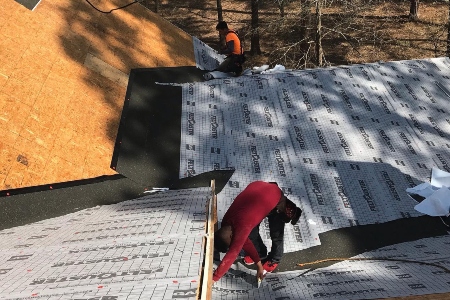
Big storms move fast in Milledgeville. Pop-up summer downpours, fall tropical remnants, and spring squall lines can all punish shingles in a single afternoon. Use this simple checklist to spot trouble early and protect your home. If you see anything on this list, book prompt roof repairs with a trusted local team.
Why Storm Damage Hits Milledgeville Roofs
Homes around Lake Sinclair, Carrington Woods, and along tree-lined streets near downtown face a one-two punch: gusty winds and falling limbs. Open water can channel wind, while tall pines and oaks shed branches that scrape or puncture shingles. Thunderstorms also drive rain sideways, pushing water under loose tabs and into weak flashing.
Even when the storm seems minor, hidden issues can start. Small hail bruises shingles. Wind unseals edges. The roof may look fine from the yard, but moisture can already be tracking under the surface.
Safety First: What To Do Immediately After A Storm
Your safety matters more than any shingle. Stay off the roof. Walk your property from ground level and take clear photos or short videos of what you can see. If you suspect damage, schedule a professional roof inspection so a trained technician can check surfaces, seams, and structure.
Never climb on a wet or wind-damaged roof. Slippery granules and loose materials increase fall risk. Keep kids and pets away from downed lines or sharp debris until everything is secured by a pro.
Your Ground‑Level Roof Checklist
Use this list to document storm clues without leaving the ground or a safe interior space:
- Shingles: Look for missing pieces, curled corners, or dark “bald” spots where granules washed away.
- Flashing: Scan around chimneys, skylights, and wall joints for bent metal, gaps, or staining.
- Gutters and downspouts: Note dents, sagging sections, or overflow lines that suggest clogging.
- Soffits and fascia: Check for loosened boards, soft spots, or water streaks.
- Yard and driveway: Collect photos of fallen limbs, shingles on the ground, or hailstones if present.
- Inside the home: Inspect ceilings, closet corners, and the attic for damp insulation, musty smells, or light shining through decking.
If you capture photos while the evidence is fresh, your roofer can match them with on-roof findings to build a clear record.
How A Local Roofer Documents Storm Damage
After you call, a qualified roofing contractor will complete a structured inspection and create a report you can share. Here is what that looks like when it is done right:
- Full-roof scan: Identifies creased tabs, impact marks, lifted shingles, and exposed fasteners.
- Detail photos and mapping: Marks slope-by-slope findings so nothing gets missed.
- Flashing and penetration checks: Reviews valleys, pipe boots, skylights, and chimney counterflashing.
- Moisture tracking: Locates entry points that may not show indoors yet.
- Temporary protection if needed: Tarping or sealing to prevent active leaks from spreading.
Want to prepare for the claims conversation? Read this quick guide on what to do before calling your insurance so your documentation is clean and complete.
What Counts As Hail Or Wind Damage
Hail issues are often subtle. A bruise may look like a small dark spot where granules are crushed, leaving the asphalt exposed. Wind damage typically shows as creased shingle lines, lifted edges, or tabs missing entirely. Both can shorten the roof’s life and invite leaks, even if you do not see water yet.
Do not ignore faint staining or single missing shingles. Small openings let driven rain travel, and the leak can surface rooms away from the original break.
Insurance Basics Without The Headache
Policies vary by carrier and coverage. In general, your roofer’s inspection report and your own photos help show when damage was storm related. Many homeowners also find it helpful for the roofer to be present when the adjuster visits so findings can be reviewed together.
Avoid promises like “free roofs” or deductible waivers. Work only with licensed, insured contractors who provide written scopes and clear communication. Your best outcome comes from solid documentation and professional repairs that match the policy terms.
Repair Or Replace: How Pros Decide
After documentation, your roofer will recommend a path. Localized wind damage or a few compromised penetrations may call for targeted repairs. Widespread creasing, consistent hail bruising, or an aging system that has failed in multiple areas may point toward replacement. The timeline for work varies by home size, material, and season, and your contractor will outline the steps so you know what happens when.
Georgia’s heat, humidity, and sudden downpours make sealed edges, proper ventilation, and tight flashing especially important. A quality repair or replacement considers all three so the fix lasts through the next storm cycle.
Fast Milledgeville Checklist You Can Save
Print or screenshot this so you have it when you need it:
- Stay safe. Photograph damage from the ground only.
- Check ceilings and attic for fresh stains or damp insulation.
- Look for missing shingles, lifted edges, dented gutters, and bent flashing.
- Call a trusted local roofer for a full inspection and written report.
- Use photos plus the report if you speak with your insurance company.
- Approve professional repairs quickly to block further water entry.
Why Choose Roofsouth LLC In Milledgeville
We live with the same weather you do, and we understand how pine needles, lake winds, and Georgia heat stress a roof over time. Our team documents everything with clear photos and slope maps, then explains options in simple terms. That is how we help neighbors protect the spaces that matter most.
When you need a dependable local partner, you can start with storm damage roof repairs in Milledgeville, GA and a friendly voice who answers your questions. If our inspection shows hidden issues, we walk you through the next steps so you feel confident about the plan.
What Your Roofer Handles End To End
Great roofing is more than patching a shingle. It is a start-to-finish process designed around your home and our climate. Expect clear scopes, tidy job sites, detailed close-out photos, and materials that match or improve your current system.
Quality control matters. Ask for before-and-after images, material documentation, and simple care tips that fit your roof type. In a place with strong sun and surprise storms, small details extend roof life.
Ready To Protect Your Home Before The Next Storm?
If this checklist turned up concerns, reach out now. Request an inspection or schedule fast, professional roof repairs so the next round of weather is a non-event. Call 833-453-2776 to talk with Roofsouth LLC today.